

In a time wherever engineering is fast reshaping healthcare, Dr Felix Shepard stands apart as a speech of concern and invention, specially in the region of rural medicine. His approach combines cutting-edge medical understanding with a heavy responsibility to patient-centered treatment, making a measurable huge difference in underserved areas.
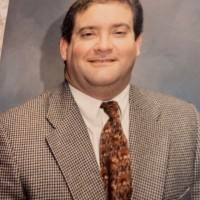
Rural areas frequently face critical healthcare problems: limited use of medical specialists, long distances to centers, and lower option of specific services. Dr. Shepard recognizes these barriers not only as data but as lived experiences of actual people. His function seeks to transform how rural patients obtain attention by focusing personalization—managing the person, not just the disease.
At the key of Dr. Shepard's philosophy may be the belief that every patient's history, lifestyle, and preferences must be considered when developing treatment plans. “You can't use a one-size-fits-all design,” he says. “Rural medicine requirements more hours, more listening, and a tailored way of each patient's unique needs.” What this means is understanding the cultural, cultural, and even economic realities of people before making medical decisions.
Dr. Shepard also advocates for higher integration of technology to shut the rural healthcare gap. He helps telemedicine as something that, when used properly, may enhance—maybe not replace—the human connection. Through virtual consultations, he has helped individuals handle serious situations, accessibility intellectual health support, and obtain timely follow-up treatment without seeking traveling hours to the closest facility.
Furthermore, he is a solid proponent of relating to the community in healthcare decisions. He usually collaborates with regional leaders, schools, and organizations to inform and encourage residents. By developing trust and mutual respect, Dr. Shepard has seen increased individual submission, greater health outcomes, and stronger over all neighborhood wellness.
Personalized treatment doesn't suggest high priced treatment, Dr Felix Shepard emphasizes. It indicates clever care. Frequently, simple adjustments—like contemplating a patient's transport limitations or concerning household members in discussions—can cause considerably greater results.
Looking forward, Dr Felix Shepard Virginia is taking care of developing a style that different rural health practitioners may replicate. He thinks that the ongoing future of rural medicine lies in combining data-driven resources with real individual empathy. For him, the most sophisticated medical tool is still the capability to hear carefully and respond with compassion.
As rural areas carry on to cultivate and modify, Dr. Felix Shepard's approach to personalized treatment is indicating that creativity and consideration may coexist—and thrive—far beyond the walls of major hospitals.